खेती गाइड

आलू स्प्रे शेड्यूल — सरसों रोपाई से कटाई तक Week-by-Week IPM Spray Calendar (2026)

आलू की फसल — रोपाई से कटाई तक का पूरा week-by-week spray schedule। Phytophthora infestans (पछेती झुलसा), Alternaria solani (अगेती झुलसा), aphid, और tuber moth के लिए IPM-based framework। Active ingredient + dosage + indicative cost per acre का structured calendar।
7 मई 2026 19 मिनट का पठन✓ सत्यापित स्रोत
तुरंत जवाब

आलू की spray schedule फसल की उम्र और disease pressure पर निर्भर करती है — typical 100-दिन cycle में 8-10 sprays की ज़रूरत होती है। <strong>Critical phases:</strong> (1) <strong>रोपाई से 30 दिन तक</strong> — root establishment phase, primarily soil-borne diseases और early-stage pests; (2) <strong>30-60 दिन</strong> — vegetative growth, peak disease vulnerability — Alternaria solani (अगेती झुलसा) और Phytophthora infestans (पछेती झुलसा) prevention critical, aphid colonization शुरू; (3) <strong>60-90 दिन</strong> — tuber bulking phase, fungicide protection + insect monitoring; (4) <strong>90 दिन+</strong> — harvest preparation, dehaulming। Major fungicides: Mancozeb (broad-spectrum protectant), Metalaxyl + Mancozeb (Phytophthora systemic), Cymoxanil (curative), Chlorothalonil (Alternaria)। Major insecticides: Imidacloprid (aphids), Spinosad या Chlorantraniliprole (cutworm, leaf miner)। Indicative spray cost ₹500-900 per acre per spray; total season ₹4,000-7,000 per acre। हर spray से पहले अपनी variety, disease pressure, और local agriculture extension officer से confirmation ज़रूरी — generic schedule reference है, prescription नहीं।

8-10sprays
typical season cycle
100दिन
रोपाई से कटाई तक
₹4-7हज़ार/एकड़
कुल spray cost (indicative)
IPMapproach
monitoring + threshold-based

आलू की फसल short-duration (90-110 दिन) पर pest-and-disease-pressure-heavy crop है। एक poorly managed Phytophthora outbreak 7-10 दिन में पूरी फसल wipe out कर सकता है। Aphid colonization seed crops में virus transmission से certified seed value को shatter कर देती है। Tuber moth field में damage करता है, फिर storage में और बढ़ता है। यह unfortunately भी सच है कि भारत के अधिकांश potato-growing areas में spray decisions अभी भी "calendar-based" या "neighbor-following" pattern पर होती हैं — actual disease/pest threshold-based नहीं। नतीजा: या तो over-spraying (extra cost, residue issues, resistance development), या under-spraying (yield loss, late-stage panic measures)।

यह गाइड एक week-by-week framework provide करती है — रोपाई से कटाई तक — primarily north Indian plain potato cultivation cycle (October-November रोपाई, January-February कटाई) के लिए। South Indian, hill region, या summer crop cycles के लिए timing shift हो जाती है, पर underlying disease/pest dynamics similar हैं। Active ingredients, dosages, और indicative costs CIB-RC (Central Insecticide Board and Registration Committee) approved labels और ICAR-CPRI extension recommendations से derive किए हैं।

आँकड़ों के बारे में स्पष्टता: इस गाइड में chemical names, dosages, और broad disease/pest biology verifiable हैं — CIB-RC approved labels, ICAR-CPRI's extension publications, और established plant pathology literature से। Per-acre cost ranges (₹500-900 per spray, ₹4,000-7,000 per season) और spray timing (8-10 sprays per cycle) indicative हैं — actual costs commodity prices, region, brand, और farmer practices पर sharply निर्भर। हर region की अपनी specific pest dynamics है (Bengal cluster का Phytophthora pressure हुगली vs. इंदौर से अलग है)। हर spray decision से पहले: (1) local Krishi Vigyan Kendra (KVK) या state agriculture extension officer से area-specific advice; (2) chemical label पर printed dosage और application interval ज़्यादा authoritative; (3) resistance management के लिए mode-of-action rotation। यह गाइड general framework है, individual prescription नहीं।

Crop cycle phases — चार critical windows

आलू की 100-दिन cycle चार biologically distinct phases में divide होती है, हर phase की अपनी disease/pest priorities हैं।

Phase 1 (रोपाई से 30 दिन — sprouting + early vegetative): यह root establishment phase है। Above-ground growth limited, leaves young और tender। Primary concerns: soil-borne diseases (Rhizoctonia, common scab — seed treatment से largely manageable), early aphid colonization (especially seed crops में), और cutworm damage on young sprouts। Mancozeb-based preventive spray + Imidacloprid sucking pest spray standard।

Phase 2 (30-60 दिन — peak vegetative growth): सबसे critical window। Canopy fully developed, humidity high under canopy। Phytophthora infestans (पछेती झुलसा) और Alternaria solani (अगेती झुलसा) दोनों का window — IMD-CPRI joint late blight forecasting कई states में active है, इस period में check करते रहें। Aphid populations explode। Leaf miner (Liriomyza) damage। Weekly preventive Mancozeb sprays mandatory; reactive Metalaxyl/Cymoxanil sprays based on disease detection।

Phase 3 (60-90 दिन — tuber bulking): Yield formation phase। Continued fungicide protection (overhead canopy still vulnerable to late blight), insect monitoring, और nutrient/water management critical। K-feeding important for tuber size। Late blight का severe outbreak इस phase में full crop loss कर सकता है।

Phase 4 (90 दिन+ — maturation और pre-harvest): Foliage senescence शुरू, vine kill (dehaulming) के लिए preparation। Insect damage (tuber moth particularly) intensifies on senescing crop। Pre-harvest interval (PHI) compliance critical — chemical residues को tubers में accumulate होने से बचाने के लिए। Last spray harvest से 14-21 दिन पहले typically (chemical-specific PHI label पर printed)।

Week-by-week spray calendar (north Indian rabi)

Week 0 (Pre-plant)

Seed Treatment

Mancozeb 75% WP @ 3-5 ग्राम/किलो + Imidacloprid 70% WS @ 7 ग्राम/किलो — soil-borne diseases + aphid prevention

Week 2-3 (15-20 दिन)

पहली Foliar Spray

Mancozeb 75% WP @ 2 ग्राम/L + Imidacloprid 17.8% SL @ 0.3 मिली/L — preventive broad-spectrum

Week 4-5 (30-35 दिन)

Earthing-up + Spray

पहला earthing-up; Mancozeb @ 2 ग्राम/L weekly preventive; Acetamiprid @ 0.4 ग्राम/L if aphid pressure

Week 6-7 (40-50 दिन)

Late Blight Window

Metalaxyl 8% + Mancozeb 64% @ 2.5 ग्राम/L if late blight forecast positive; otherwise Mancozeb continuation

Week 8-9 (55-65 दिन)

Disease Peak

Cymoxanil 8% + Mancozeb 64% @ 3 ग्राम/L (late blight curative); Chlorothalonil for Alternaria

Week 10-11 (70-80 दिन)

Tuber Bulking

Azoxystrobin 23% SC @ 1 मिली/L (systemic protection); Spinosad if tuber moth pressure

Week 12-13 (85-90 दिन)

Late Stage

Final Mancozeb spray (PHI compliance); Chlorantraniliprole for tuber moth; observe pre-harvest interval

Week 14-15 (95-105 दिन)

Dehaulming + Harvest

Vine kill (mechanical या Diquat 20% SL — region-specific); 7-10 दिन wait, फिर harvest

यह calendar reference template है — actual spray-schedule disease forecasting (IMD-CPRI late blight bulletins), local pest scouting, और variety-specific recommendations से refine होनी चाहिए। Resistant varieties (Kufri Girdhari, Kufri Himalini) में Phytophthora-pressure schedule lighter हो सकती है।

Active ingredient summary

Fungicides commonly used (CIB-RC approved):

  • Mancozeb 75% WP — broad-spectrum protectant, primary Mancozeb base for weekly prevention; no systemic activity
  • Metalaxyl + Mancozeb combo — systemic + protectant, late blight curative; 3-spray max per season for resistance
  • Cymoxanil + Mancozeb combo — local-systemic curative, alternates with Metalaxyl
  • Chlorothalonil 75% WP — broad-spectrum protectant, especially Alternaria
  • Azoxystrobin 23% SC — strobilurin systemic, both diseases
  • Copper-based (Bordeaux mixture, copper hydroxide) — organic-compatible, moderate efficacy

Insecticides commonly used (CIB-RC approved):

  • Imidacloprid 17.8% SL — neonicotinoid systemic, primary aphid/jassid spray
  • Thiamethoxam 25% WG — alternative neonicotinoid
  • Acetamiprid 20% SP — neonicotinoid, slightly different profile
  • Spirotetramat 150 OD — aphid colony specific
  • Spinosad 45% SC — caterpillar/leaf miner/tuber moth
  • Chlorantraniliprole 18.5% SC — long-residual moth/caterpillar control
  • Cypermethrin 25% EC — broad-spectrum pyrethroid (last resort due to resistance)

Mode-of-action rotation critical है — same chemical group लगातार use करने से resistance तेज़ी से develop होती है। Idea: हर spray cycle में different mode-of-action group से chemical select करें।

6 common spray mistakes

    • Calendar-based instead of monitoring-based spraying — सिर्फ "neighbor कर रहा है" pattern पर। Result: over-spraying, extra cost, resistance पनपती है। Pheromone traps + visual scouting threshold-based decisions बेहतर।
    • Same chemical बार-बार use — Mancozeb या Imidacloprid लगातार 5-6 sprays। Resistance तेज़ी से develop होती है। Mode-of-action rotation mandatory।
    • Wrong dosage या dilution — Label dosage से अधिक (phytotoxicity, residue) या कम (sub-lethal exposure → resistance)। Calibration और label-adherence critical।
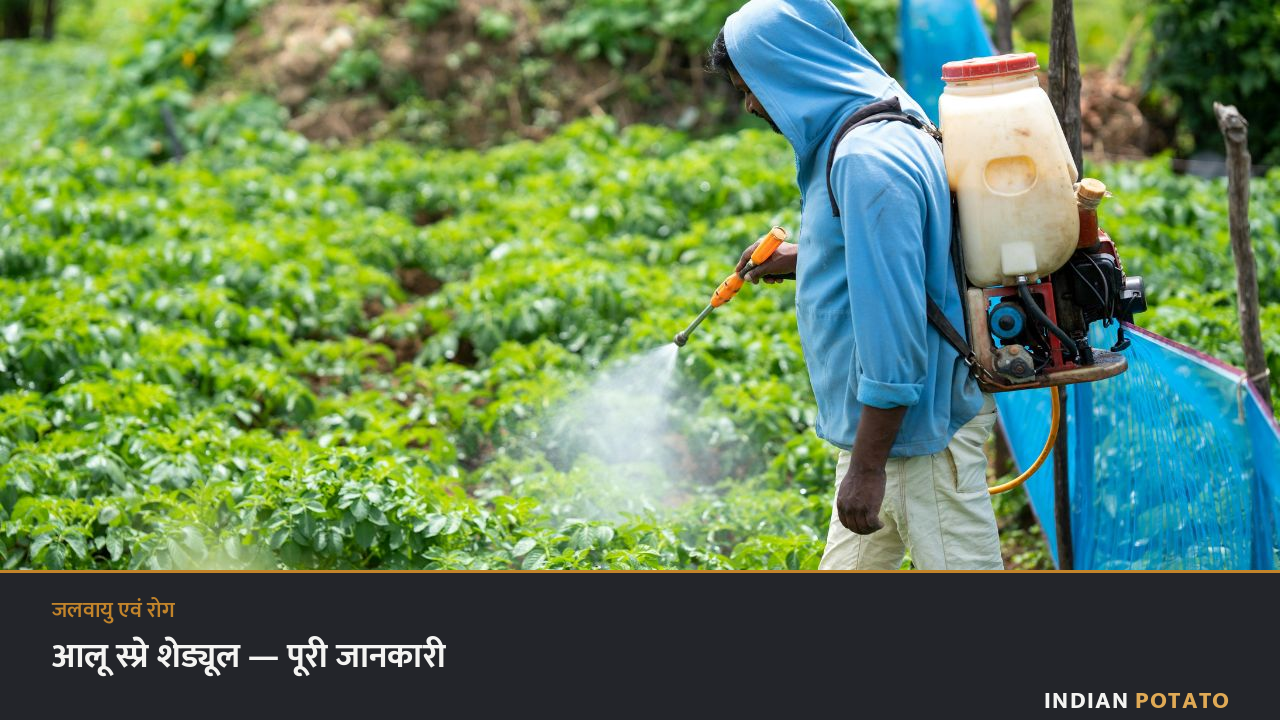
    • Spray timing wrong — दोपहर strong sun में spray (chemical breakdown), expected rain से पहले (wash-off), high wind में (drift)। सुबह 6-10 AM या शाम 4-7 PM ideal।
    • Pre-harvest interval (PHI) ignore करना — Last spray से harvest तक minimum gap चemical-specific है (typically 14-21 दिन)। PHI ignore करने से tubers में residue, export rejection, और consumer health risk।
    • PPE skip करना — Spray operators full-sleeves, gloves, mask, eye protection without exposure से acute और chronic health risks। Especially organophosphate और carbamate chemicals में strict compliance ज़रूरी।

Pre-spray checklist

    • Chemical label पढ़ें — dose, water volume, PHI, target pest/disease, mode of action।
    • Sprayer calibration — nozzle size, water output rate, droplet size sufficient coverage।
    • Weather forecast 48 घंटे — expected rain, wind speed, temperature window check।
    • Water quality check — pH 6-6.5 ideal; high-pH areas में buffer (citric acid drops या commercial buffer)।
    • Tank-mix compatibility — सभी chemicals mix-compatible हैं या नहीं (कई fungicide-insecticide combos safe नहीं)।
    • PPE prepare — full sleeves, gloves, mask, eye protection, change of clothes।
    • Spray time — सुबह 6-10 AM या शाम 4-7 PM।
    • Crop scouting first — actual disease/pest pressure verify करें (calendar-based नहीं)।
    • PHI awareness — last spray to harvest minimum gap label-compliant।
    • Empty container disposal — triple-rinse, puncture, proper disposal (children/livestock से दूर)।

अंतिम practical advice

आलू की spray management में सबसे बड़ा bदलाव threshold-based + IPM-driven approach है — calendar-following pattern से shift। Monitoring tools (pheromone traps, sticky traps, regular visual scouting), forecasting systems (IMD-CPRI late blight forecasts), और variety selection (resistant cultivars) तीनों में investment करें। Cost-benefit स्पष्ट है: एक well-monitored 8-spray season की cost ~₹4,000-5,000 per acre vs. panic-driven 12-14 spray season ~₹7,000-10,000+ — और latter में chemical residue, resistance, और yield protection कमज़ोर। Resistant variety selection alone (Kufri Girdhari Phytophthora-tolerant) से spray cost 20-30% कम हो सकती है।

State agriculture extension department, KVK (Krishi Vigyan Kendra), और ICAR-CPRI के regional centers में certified plant protection specialists से area-specific schedule customize करें। Online resources (CPRI website, IMD-CPRI advisories, state agriculture portals) पर current season की disease forecasting check करते रहें। Final disclaimer: यह गाइड general framework है — individual farm की variety, soil, microclimate, और disease history के अनुसार qualified plant protection specialist से schedule customize करवाएं।


आगे क्या?

WhatsApp पर specific disease photos भेजकर consultation, KVK contacts, और chemical brand recommendations के लिए हमारी टीम से यहाँ संपर्क करें। आलू की बाकी खेती guides के लिए आलू खेती, आलू की उन्नत किस्में, और आलू बुवाई का सही समय देखें। Processing और business pillar guides — चिप्स मैन्युफैक्चरिंग, कोल्ड स्टोरेज, निर्यात, और PMFME yojana पर हैं।


स्रोत और संदर्भ
स्रोत, संदर्भ और disclaimer: इस गाइड में आँकड़े दो श्रेणियों में हैं — (A) Verifiable facts: Chemical names, formulations, और registered dosages CIB-RC (Central Insecticide Board and Registration Committee) approved labels से (cibrc.nic.in)। Disease biology, pathogen scientific names (Phytophthora infestans, Alternaria solani, Phthorimaea operculella, Myzus persicae), और broader integrated pest management framework ICAR-CPRI's extension publications और plant pathology literature (Indian Phytopathology, Indian Journal of Plant Protection) से। Variety resistance characteristics ICAR-CPRI variety release notes से। IMD-CPRI joint late-blight forecasting service official advisories से। FSSAI maximum residue limits (MRLs) FSSR 2011 schedule से। Pre-harvest intervals (PHI) chemical-specific labels से। (B) Indicative ranges: Per-spray cost (₹500-900 per acre), season total (₹4,000-7,000 per acre), 8-10 sprays typical, और potential yield-loss percentages — सभी commodity prices, region, season, और farmer practice variations के साथ sharply भिन्न होती हैं। 2024-25 industry estimates के basis पर। Spray schedule timing (week-by-week calendar) primarily north Indian rabi cycle के लिए framed है — south India, hill regions, summer crop cycles के लिए shifted timing है। Mandatory due diligence: हर spray decision से पहले — (1) local Krishi Vigyan Kendra (KVK) या state agriculture extension officer से area-specific advice; (2) chemical label पर printed dosage, dilution, और PHI strictly follow; (3) IMD-CPRI late blight forecast bulletins (December-February peak season) check करते रहें; (4) sprayer calibration before season और periodically; (5) PPE non-negotiable; (6) chemical residue testing पर export-grade और processing-grade crop में compulsory। यह गाइड general decision-support framework है, prescription नहीं — किसी भी chemical का use farmer की own due diligence और licensed plant protection specialist की advice के तहत होना चाहिए।

अक्सर पूछे जाने वाले प्रश्न

आलू में पहली spray कब करनी चाहिए?
आलू की पहली spray रोपाई के 15-20 दिन बाद recommended होती है (60-70% sprouting के बाद)। यह primarily preventive spray है: (1) Mancozeb 75% WP @ 2 ग्राम/लीटर पानी — broad-spectrum fungicide protectant, early Alternaria और Phytophthora pressure से protection। (2) Imidacloprid 17.8% SL @ 0.3 मिली/लीटर — sucking pest control (aphids/jassids/whiteflies)। यदि soil aphid pressure हो तो रोपाई के समय seed treatment (Imidacloprid 70% WS @ 7 ग्राम/किलो बीज) कई growers prefer करते हैं — पर यह variety, region, और pesticide regulations पर निर्भर है। पहली spray timing critical है क्योंकि young plant tissue infection-prone रहता है, और early prevention बाद में curative treatment से much cheaper और effective होती है। Spray morning या evening (10 AM से पहले या 4 PM के बाद), wind speed कम होने पर — droplet drift कम।
Phytophthora infestans (पछेती झुलसा) कैसे पहचानें और control करें?
Phytophthora infestans (पछेती झुलसा / Late Blight) आलू की सबसे destructive disease है — पूरी फसल 7-10 दिन में wipe out कर सकती है अनुकूल weather (humidity 90%+, temperature 15-22°C, prolonged leaf wetness) में।
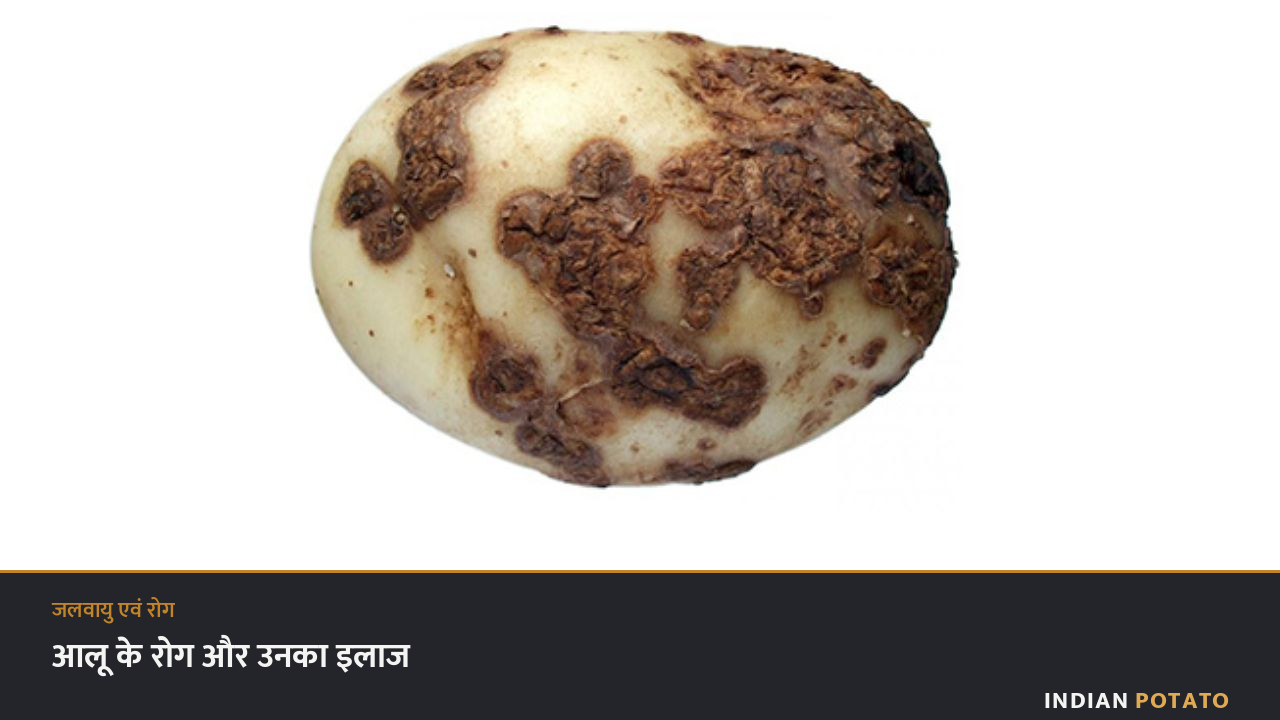
Identification: पत्तियों के margins पर पानी से भीगे जैसे dark green patches, जो तेज़ी से brown/black में बदल जाते हैं। पत्ती के नीचे white fluffy growth (sporangia)। Stems पर dark lesions। Tubers पर brown discoloration, irregular surface, internal corky tissue।
Prevention: Mancozeb 75% WP @ 2 ग्राम/लीटर weekly during disease-favorable weather (December-January in north Indian plains)।
Curative: Metalaxyl 8% + Mancozeb 64% WP @ 2.5 ग्राम/लीटर — systemic + protectant combination, 7-10 दिन interval, max 3 sprays per season (resistance management)। Cymoxanil 8% + Mancozeb 64% WP @ 3 ग्राम/लीटर - alternative curative option।
Cultural: Resistant varieties (Kufri Girdhari, Kufri Himalini, Kufri Sadabahar — ICAR-CPRI release notes में listed), proper spacing, avoid overhead irrigation in evening, prompt removal of infected plants। Late blight forecast advisories (कई states में IMD-CPRI joint forecasting available) check करें।
Alternaria solani (अगेती झुलसा) के लिए spray कौन सी?
Alternaria solani (अगेती झुलसा / Early Blight) moderate temperature (24-29°C) और alternating wet-dry conditions में पनपती है। Older lower leaves पर dark concentric ring lesions (target-board pattern) characteristic identification। Severe infection से premature defoliation, tuber yield 20-30% तक कम हो सकती है।
Recommended sprays:
Preventive: Mancozeb 75% WP @ 2 ग्राम/लीटर weekly during vegetative growth phase (40-70 दिन)।
Curative: Chlorothalonil 75% WP @ 2 ग्राम/लीटर, या Azoxystrobin 23% SC @ 1 मिली/लीटर (systemic)। Mancozeb-Azoxystrobin alternation resistance management के लिए effective।
Cultural management: Crop rotation (आलू-गेहूं-सोयाबीन rotation breaks pathogen cycle), proper potassium nutrition (K-deficiency increases susceptibility), अधिक humidity वाले areas में wider plant spacing, infected plant debris removal। Tomato और nightshade weeds नज़दीक होने पर pressure ज़्यादा — clear करें।
आलू में aphid और sucking pest control के लिए क्या use करें?
Aphids (Myzus persicae मुख्य species) आलू में सबसे important sucking pest हैं — direct sap-sucking damage के अलावा PVY, PLRV जैसे viruses transmit करते हैं (especially seed crops में problem)।
Identification: Pत्तियों के नीचे green/black soft-bodied insects, sticky honeydew, leaves curling, plants stunted। Moderate-to-severe attack पर black sooty mold।
Recommended insecticides (rotate to prevent resistance):
• Imidacloprid 17.8% SL @ 0.3 मिली/लीटर (systemic neonicotinoid)
• Thiamethoxam 25% WG @ 0.4 ग्राम/लीटर (alternative neonicotinoid)
• Acetamiprid 20% SP @ 0.4 ग्राम/लीटर
• Spirotetramat 150 OD @ 1.5 मिली/लीटर (specifically against aphid colonies)
Other sucking pests: Jassids, whiteflies — same insecticides effective। Leafhoppers severe होने पर Dimethoate 30% EC @ 1.5 मिली/लीटर।
IPM approach: Yellow sticky traps (10-15 per acre), early-stage aphid threshold-based spraying (10+ aphids per leaf), and natural enemies (lady bird beetles, lacewings) के लिए selective insecticide use। Seed crops में strict aphid control vital — virus transmission window कुछ दिनों का होता है।
Tuber moth (Phthorimaea operculella) कैसे control करें?
Phthorimaea operculella (potato tuber moth) field और storage दोनों में damage करता है — larvae पत्तियों में mining करते हैं और tubers को bore करके अंदर damage करते हैं। Moderate-to-warm temperature areas (south India, Plateau region) में severe pest।
Field control:
• Pheromone traps (5 per acre) for monitoring और mass trapping
• Bacillus thuringiensis (Bt) sprays — biological, organic-compatible
• Spinosad 45% SC @ 0.3 मिली/लीटर — moth-specific
• Chlorantraniliprole 18.5% SC @ 0.3 मिली/लीटर — long residual control
• Cypermethrin 25% EC @ 1 मिली/लीटर — broad-spectrum (last resort)
Cultural prevention: Proper earthing-up — tubers जो soil surface से expose हो जाते हैं वो moth-egg laying के main targets। Deep planting + earthing up @ 30 और 45 दिन both critical। Field harvest तुरंत complete करें (delayed harvest = moth damage)।
Storage control: Cold storage <8°C maintain, sand topping over potato heaps (traditional), pheromone traps in storage, और infested tubers immediate removal।
Spray timing — दिन के कौन से समय करें?
Spray application timing efficacy और farmer/operator safety दोनों के लिए critical है।
Best timing: सुबह 6-10 AM या शाम 4-7 PM। इन hours में: temperature moderate (chemical breakdown कम), wind speed कम (drift कम), ओस सूख चुकी होती है पर पत्ती wet enough for absorption।
Avoid: दोपहर 11 AM-3 PM (high temperature → fast evaporation, leaf damage risk), strong winds (>15 km/h — drift और uneven coverage), expected rain within 4-6 hours (wash-off), heavy dew (over-dilution)।
Pre-spray checks: Weather forecast 48 घंटे, sprayer calibration (correct nozzle size — typically hollow cone for fungicides, flat fan for herbicides), water pH (optimum 6.0-6.5 — हाई-pH areas में buffer add करें), और chemical compatibility (कई fungicide-insecticide combinations safe नहीं)।
Safety: PPE — full sleeves, gloves, mask, eye protection। Wash hands और face spray के बाद। Empty container triple-rinse and dispose properly। Children और livestock spray field से दूर।
Re-entry interval: spray के बाद 24 घंटे field re-entry न करें (chemical-specific, label पढ़ें)।
Spray cost per acre कितना आता है?
Indicative spray cost depends on crop stage, disease/pest pressure, और chemicals used। 2024-25 industry estimates के basis पर:
Per spray cost: ₹500-900 per acre (chemical + labor, water excluded)।
Season total (8-10 sprays typical): ₹4,000-7,000 per acre।
Component breakdown (per spray, indicative): Mancozeb-only protectant ₹250-350; Metalaxyl-Mancozeb combo ₹400-600; Imidacloprid spray ₹150-250; Chlorothalonil ₹350-500; Azoxystrobin ₹500-800; Spinosad ₹600-1,000; spray labor ₹200-400 per acre।
High-pressure season (severe Phytophthora outbreak): 12-14 sprays needed, total ₹7,000-10,000+ per acre।
Cost reduction strategies: (1) Resistant variety selection (Kufri Girdhari, Kufri Himalini reduce Phytophthora pressure); (2) IPM-based threshold spraying (instead of calendar-based); (3) Bulk chemical purchase before season; (4) State subsidies (Bihar, UP कई districts में 50% subsidy on PP chemicals); (5) Cooperative/FPO-route bulk purchase। Forecasting system (CPRI-IMD late-blight forecasts) से preventive spray timing optimize करें।
क्या organic या IPM-only spray schedule possible है?
हाँ, IPM (Integrated Pest Management) और organic-compatible schedule possible हैं — पर commercial yield levels achieve करने के लिए experience और careful monitoring ज़रूरी हैं। Organic-compatible options:
Fungicides: Bordeaux mixture (1% — copper sulphate + lime), copper hydroxide, neem oil (1-2%), garlic-chilli extract (cottage industry preparations)। Effectiveness chemical fungicides से कम पर consistent application से moderate pressure manage हो सकता है।
Insecticides: Neem-based (Azadirachtin 1500 ppm), Bacillus thuringiensis, NPV (Nuclear Polyhedrosis Virus) for caterpillars, Trichoderma viride soil application।
Biological: Parasitoids (Trichogramma) and predators (lady bird beetles, lacewings) release। Yellow sticky traps, pheromone traps mass trapping के लिए।
Cultural: Resistant varieties, crop rotation, balanced nutrition (avoid excess N), proper spacing, timely earthing-up।
Yield impact: well-managed IPM/organic system commercial chemical-based system से 15-30% lower yield expectation। Premium pricing (organic certification — APEDA NPOP) से gap recover हो सकती है। Transition period 2-3 साल — soil microbial recovery और biological control agents establish होने तक। ICAR-CPRI के Integrated Disease Management trials में IPM-based approaches का documented impact है — local Krishi Vigyan Kendra से specific area-based recommendations लें।

भारत के आलू उद्योग से जुड़ें

आलू आपूर्तिकर्ता, शीतगृह संचालक, या व्यापारिक साझेदार खोज रहे हैं? इंडियन पोटैटो आपको जोड़ता है।